All Categories
Featured
Table of Contents
When you share your ecommerce data and site structure with Google, Google can more easily discover and parse your content, which permits your content to appear in Google Search and other Google surface areas. This can help buyers discover your website and items. Here's a brief description of each page.
In the fast-paced world of online commerce, where many virtual stores complete for attention, mastering Ecommerce SEO is essential. Imagine this: your digital brochure is carefully curated, your products are premier, and your website exudes professionalism. In spite of all this effort, your online shop remains concealed in the huge digital landscape, overshadowed by many rivals.
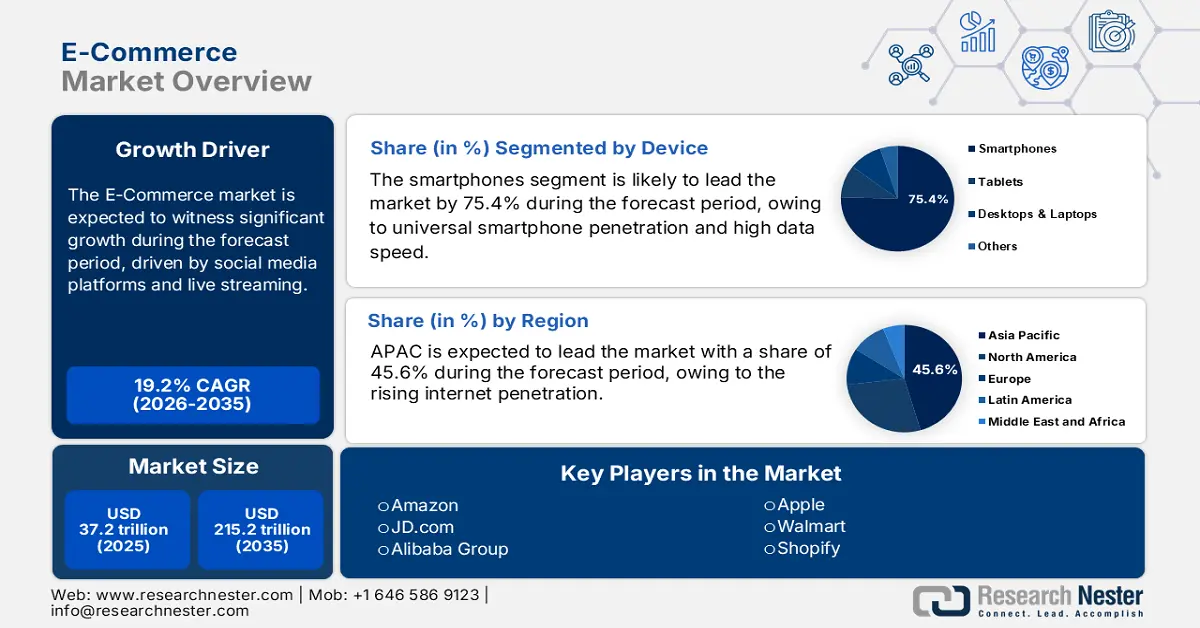
In this article, we'll reveal the nuances of Ecommerce SEO and provide you with practical strategies and skilled insights to improve your store's search engine ranking. From keyword research study to on-page and technical SEO techniques, we will explore the techniques that will truly elevate your online presence.
Keyword research study stands as the foundation of any effective Ecommerce SEO strategy, especially when it concerns optimizing item pages. It's the compass that guides your online shop towards the shores of search engine success. The importance of keyword research in this context can not be overemphasized. For product pages, determining and prioritizing relevant keywords is comparable to discovering treasure troves of untapped potential.
To start this quest, you need to understand your audience's search behavior and preferences. Start by brainstorming a list of prospective keywords that connect to your items. From there, utilize keyword research tools like Google Keyword Coordinator, SEMrush, or Ahrefs to expand your list, find search volumes, and assess keyword competitiveness.
Essential Analytics Tutorials for Shop Growth
Concentrate on long-tail keywords, which are more particular and typically indicate higher purchase intent. In addition, consider the seasonality and patterns connected with your items. By thoroughly deciphering the complexities of keyword research study, you're not only boosting the discoverability of your products but likewise ensuring that your online store resonates precisely with the desires and requirements of your target audience.
On-page SEO is the bedrock of a reliable e-commerce technique, where the complexities of optimization can make or break your online store's presence. To start, crafting flawless product titles and descriptions is paramount. These aspects need to be not just useful but also brimming with relevant keywords to make sure that search engines and potential customers can quickly recognize the essence of your items.
Image optimization, typically undervalued, is crucial for e-commerce. High-quality images enhance user experience, and optimizing them with descriptive alt tags ensures accessibility and improves search engine rankings. In essence, on-page SEO for e-commerce is the scaffolding that supports your online shop's success, assisting visitors and online search engine alike to the heart of your services and products.
How Data Powers Rapid GrowthSmart Customer Lifecycle Marketing
The requirement for speed can not be overemphasized; your website's filling time profoundly impacts user experience and online search engine rankings. Additionally, with a growing mobile audience, mobile-friendliness is non-negotiable. Ensuring your website is responsive and enhanced for numerous devices is paramount. Schema markup for product details is another technical gem. It provides structured data that helps browse engines understand and showcase important product information directly in search results page, improving click-through rates and user engagement.
E-commerce sites typically face this obstacle due to similar product descriptions. Implementing canonical tags, producing distinct product descriptions, and using 301 redirects when necessary can reduce these issues and preserve your site's SEO stability. In the world of e-commerce, a well-crafted material strategy is the compass directing customers through the digital aisles of your online shop.
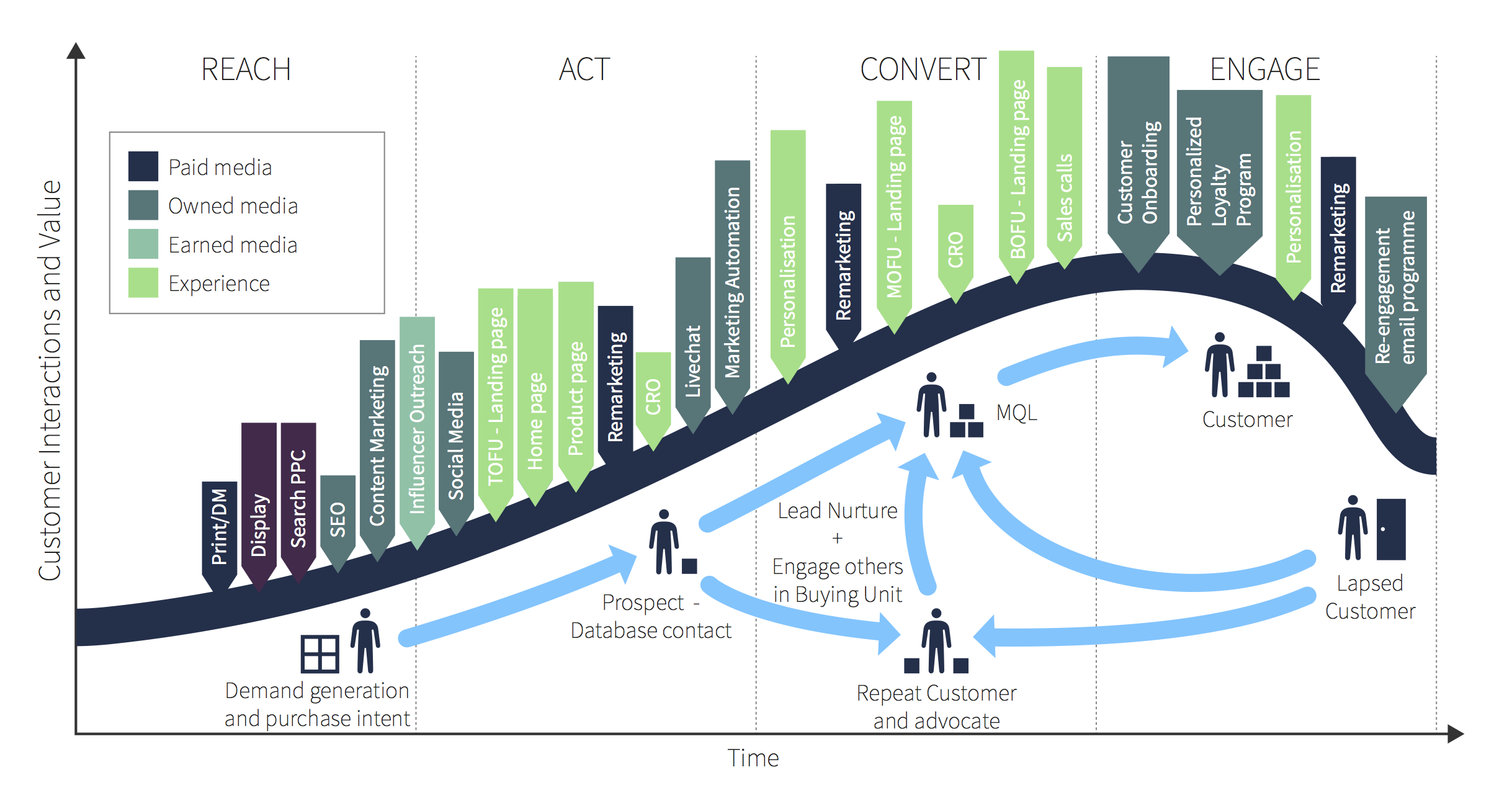
Article can deal with market trends, while guides and tutorials use detailed guidelines, placing your brand as a reliable source. Crafting high-quality content includes meticulous research study, engaging storytelling, and a concentrate on user requirements. Material should provide options, insights, and value, developing trust with your audience. User-generated content and evaluations are powerful tools.
Image optimization, often underestimated, is crucial for e-commerce. Premium images boost user experience, and enhancing them with descriptive alt tags makes sure accessibility and enhances search engine rankings. In essence, on-page SEO for e-commerce is the scaffolding that supports your online store's success, directing visitors and online search engine alike to the heart of your services and products.
Proven SEO Strategies for E-Commerce SitesHow to Use Advanced Analytics for Higher ROI
The requirement for speed can not be overemphasized; your website's loading time profoundly affects user experience and online search engine rankings. Additionally, with a growing mobile audience, mobile-friendliness is non-negotiable. Ensuring your website is responsive and optimized for various gadgets is vital. Schema markup for product details is another technical gem. It supplies structured data that helps search engines understand and display vital item information straight in search results, improving click-through rates and user engagement.
E-commerce sites typically face this difficulty due to comparable product descriptions. Executing canonical tags, developing special product descriptions, and using 301 redirects when necessary can mitigate these issues and maintain your website's SEO stability. In the realm of e-commerce, a well-crafted content strategy is the compass assisting clients through the digital aisles of your online shop.
Blog posts can deal with market patterns, while guides and tutorials provide step-by-step instructions, placing your brand as a reliable source. Crafting high-quality content includes careful research study, engaging storytelling, and a concentrate on user needs. Content needs to offer options, insights, and worth, developing trust with your audience. User-generated material and evaluations are effective tools.

Latest Posts
Advanced SEO Tactics for Online Success
Proven SEO Tactics for E-Commerce Sites
Creating the Effective Influencer Marketing Strategy